The Complete 2026 Guide to Calgary Eavestroughs: 25 FAQs

In Calgary, your roof gets all the glory, but your eavestroughs do all the work.

They are the unsung heroes of your home’s exterior. They silently manage thousands of liters of meltwater during a January Chinook, take the brunt of golf-ball-sized hail in July, and prevent your basement from flooding during those intense June thunderstorms.

Yet, most Calgary homeowners don’t think about their gutters until they fail.

Whether you are noticing a dripping corner, a detached downspout, or are simply looking to upgrade your exterior, this guide covers everything. We have compiled the top 25 most frequently asked questions about materials, sizing, costs, and city bylaws to help you navigate your next project with confidence.


Part 1: Materials & Terminology (The Basics)

1. First things first: Is it “Eavestrough” or “Gutter”?

In Canada, we use the terms interchangeably, but “Eavestrough” is the technically correct term for the trough attached to the eaves of your home. “Gutter” is the American standard term.

  • Pro Tip: If you are searching for contractors in Calgary, you will get better results searching for “Eavestrough repair” than “Gutter repair,” as local pros tend to use the Canadian terminology.

2. What is the absolute best material for Calgary’s climate?

Unlike siding, where there are many good options, eavestroughs have a clear winner for our climate: Aluminum. However, there is a hierarchy:

  • Standard: Aluminum (0.027″ or 0.032″ gauge). This is what you see on 95% of Calgary homes. It is rust-proof, lightweight, and holds paint extremely well. It flexes slightly with temperature changes, which is critical when it hits -30°C.

  • Premium: Galvanized Steel. Steel is the “heavy-duty” upgrade. It is significantly stronger than aluminum, making it resistant to ladder damage and heavy snow loads. However, if the paint chips, it will rust eventually.

  • Avoid: Vinyl (Plastic). Vinyl gutters are sold at big-box stores for DIYers. Do not use them in Calgary. They become brittle in the cold and will shatter if hit by hail or a stray shovel in winter. The seals between sections also fail rapidly due to thermal expansion.

3. Seamless vs. Sectional: Is “Seamless” really necessary?

Yes. In Calgary, “Seamless” (Continuous) eavestrough is not a luxury; it is a requirement for longevity.

  • The Problem with Sectional: Sectional gutters (10-foot pieces joined together) have seams every 10 feet. In a climate like ours, where temperatures swing 40 degrees in 24 hours (Chinooks), the metal expands and contracts. This movement breaks the sealant at the seams, causing leaks within 2–3 years.

  • The Seamless Advantage: Seamless troughs are roll-formed on-site from a truck to the exact length of your roofline. The only seams are at the corners (miters). Fewer seams mean fewer leaks.

4. Should I upgrade from 5-inch to 6-inch eavestroughs?

This is the most common upsell in the industry right now.

  • 5-Inch (Standard): Sufficient for most standard bungalows and bi-levels in communities like Acadia or Dalhousie with asphalt shingles and moderate roof pitches.

  • 6-Inch (Large Volume): Highly recommended if you have:

    • A steep roof pitch (common in new infills in Altadore or Marda Loop).

    • A metal or slate roof (water slides off these faster than asphalt).

    • A roof area over 1,500 sq. ft. draining into a single gutter run.

  • The Math: A 6-inch gutter holds roughly 40-50% more water than a 5-inch gutter. This extra capacity is vital during those intense “1-in-100 year” storms that now seem to happen every summer in Calgary.

5. What gauge (thickness) of aluminum should I ask for?

Not all aluminum is created equal.

  • 0.023 inch: “Builder grade.” Very thin. prone to denting from ladders or hail. Avoid if possible.

  • 0.027 inch: The residential standard. Good balance of cost and durability.

  • 0.032 inch: Heavy gauge. Recommended for areas with high snow load or if you are choosing 6-inch profiles. It is stiffer and resists wavy “oil canning” along long runs.


Part 2: Installation & Mechanics

6. Spikes vs. Hidden Hangers: Which is better?

If you look at older homes (pre-2000s), you will see large nail heads (spikes) every few feet running through the gutter. Do not use these.

  • The Issue: Over time, the freeze-thaw cycle “jacks” these nails out of the wood. Once they pull out, the gutter sags, and you cannot simply hammer them back in because the hole is stripped.

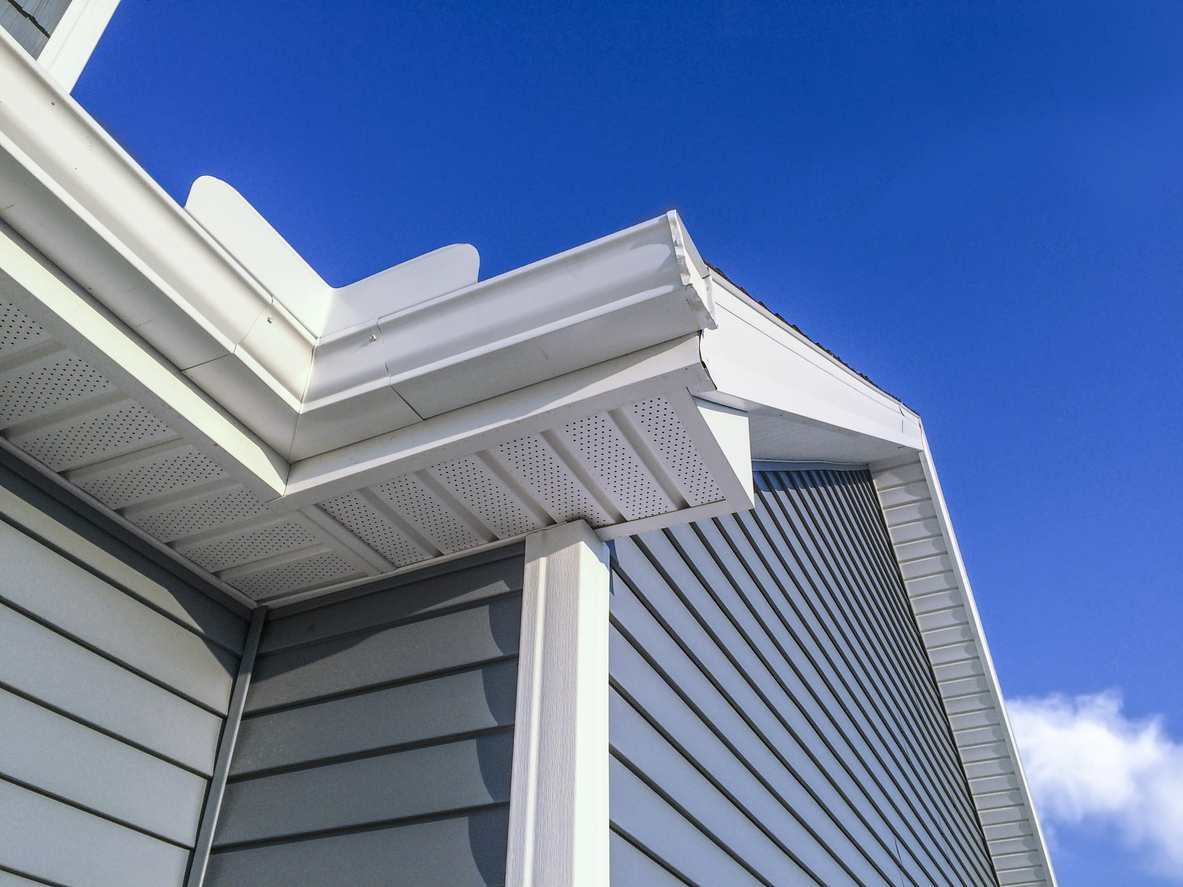
  • The Solution: Hidden Hangers. These are brackets that clip inside the trough and screw into the fascia board with a threaded screw. They are invisible from the street and offer far superior holding power against snow loads.

7. Why does my eavestrough slope? Isn’t it supposed to be straight?

Ideally, an eavestrough looks straight from the street but actually has a subtle slope toward the downspout.

  • The Rule: You need roughly 1/4 inch of drop for every 10 feet of run.

  • The Calgary Reality: If your trough is perfectly level, water will sit in it. In summer, this breeds mosquitoes. In winter, this standing water freezes into a solid block of ice, weighing down the system and causing it to pull away from the house. Proper slope is the #1 defense against winter damage.

8. What is a “Box Miter” vs. a “Strip Miter”?

This refers to how the corners are sealed.

  • Box Miters: These are pre-fabricated corners that the straight troughs slide into. They are considered “DIY grade” and look bulky. They add two seams per corner (one on each side of the box).

  • Strip (Hand) Miters: The professional standard. The installer cuts the aluminum at a 45-degree angle and joins them with a single seam strip and sealant. It looks cleaner and has fewer failure points.

9. Can I reuse my old downspouts with new eavestroughs?

Technically yes, but it is rarely a good idea.

  • The Aesthetic: Old downspouts are often faded, dented, or have different paint dyelots than the new aluminum.

  • The Fit: New outlets (the hole where water leaves the gutter) are often larger to improve flow. Connecting a high-flow 3×4 inch outlet to an old, small 2×3 inch downspout creates a bottleneck that will cause overflows.

10. Do I need to replace my Fascia board when I replace gutters?

Not always, but often. The fascia is the wooden board behind the gutter. When we remove old gutters, we often find the fascia is rotted due to years of leaks behind the trough.

  • The Fix: If the wood is rotted, it must be replaced. You cannot screw new gutters into rot.

  • Cladding: Many homeowners choose to install “Aluminum Fascia Cladding” (a metal wrap) over the wood at the same time. This makes the fascia maintenance-free (no more painting).


Part 3: Winter Survival (Ice Dams & Chinooks)

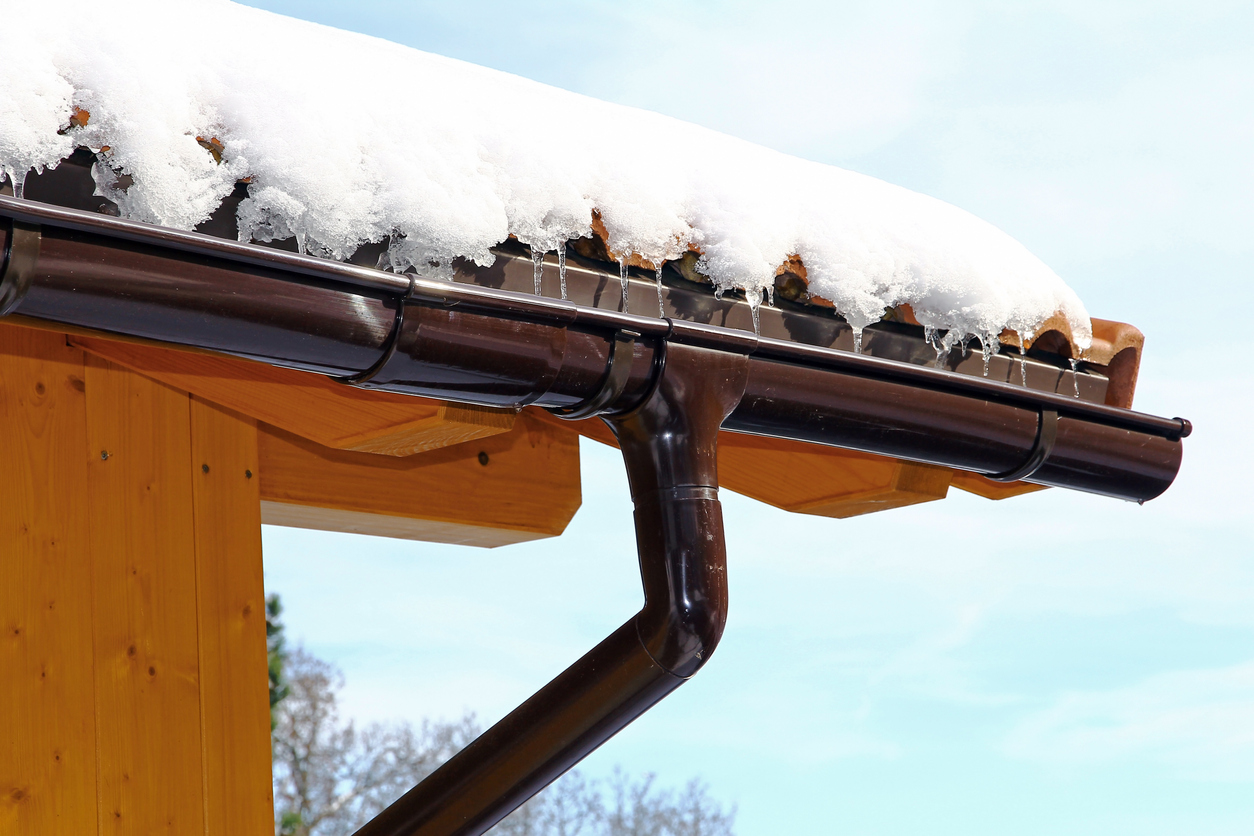
11. Why do I get massive icicles on my gutters?

This is usually a symptom of Ice Damming, not a gutter defect.

  • The Mechanics: Heat escapes your home through the attic insulation. It melts the snow on the roof. The water runs down to the overhang (eaves), which is cold because it’s not over the heated house. The water refreezes there, forming a dam.

  • The Result: Water backs up behind the ice dam and drips over the edge—or worse, backs up under your shingles and leaks into your attic.

  • The Gutter Role: Gutters provide a “shelf” for this ice to build on, but they do not cause the dam.

12. Will “Heat Tape” or heating cables fix my ice dams?

Heat cables are a “band-aid,” not a cure.

  • How they work: They melt a small channel through the ice to allow water to drain, preventing the dam from growing huge.

  • The Cost: They are expensive to run (electricity) and often burn out after 3–5 years.

  • The Real Cure: The permanent fix is usually improving attic insulation and ventilation. If your attic is cold, the snow won’t melt, and dams won’t form.

13. Should I remove my downspout extensions in winter?

NO. This is a critical mistake.

  • The Risk: If you flip up or remove your extension, the meltwater from Chinooks will dump directly beside your foundation. Because the ground is frozen, this water cannot soak in. It pools against the concrete and freezes, causing cracks, or finds its way into your basement window wells.

  • The Rule: Keep extensions down and pointing at least 4–6 feet away from the foundation all winter.

14. What are “Snow Stops” and do I need them?

Snow stops are metal brackets installed on metal or steep roofs to prevent large sheets of snow from sliding off all at once (an avalanche).

  • Why they matter for gutters: If a 500lb sheet of snow slides off a metal roof, it will tear the eavestrough right off the fascia. Snow stops break up the snow so it melts gradually. If you have a metal roof in Calgary, snow stops are mandatory to protect your gutters.

15. My gutters make a loud “pinging” or “cracking” noise in winter. Why?

This is thermal expansion. Aluminum expands when hot and contracts when cold. When the sun hits a frozen gutter on a -20°C day, the metal warms up rapidly and expands. If the hangers are too tight or the run is very long, the metal slips against the brackets, making a loud creaking or popping sound. It is annoying, but generally harmless.


Part 4: Maintenance & Protection

16. Do “Gutter Guards” actually work in Calgary?

This is controversial.

  • The Issue: Many mesh screens that work well for rain fail in winter. Snow sits on top of the mesh, melts, and refreezes, forming a sheet of ice. This turns your gutter into a “ski jump,” causing meltwater to overshoot the gutter entirely and drip on your walkway.

  • The Recommendation: If you have no trees, you don’t need guards. If you have poplars or pine trees, look for Perforated Aluminum Covers (rigid metal with holes) rather than flimsy mesh. They are strong enough to hold snow load and generally shed ice better than mesh.

  • Maintenance: No system is “maintenance-free.” You will still need to brush off the tops of the guards occasionally.

17. How often should I clean my eavestroughs?

Twice a year is the Calgary standard.

  1. Late Spring (May/June): To clear out the “helicopter seeds” from maples, blossoms from fruit trees, and general winter grit.

  2. Late Fall (October/November): Crucial. You must get the leaves out before the snow flies. If wet leaves freeze inside your gutter, they turn into a heavy brick of ice that can warp the metal.

18. How do I unclog a downspout that is packed solid?

If the downspout is clogged with dry leaves:

  1. Remove the bottom elbow (extension).

  2. Use a garden hose to spray water up the spout to loosen the debris.

  3. Or, use a plumber’s snake (drain auger) from the top to push the blockage through.

  • Warning: If the downspout is frozen solid with ice, do not hit it with a hammer. You will crush the aluminum. You must use hot water or a heat gun (carefully) to melt the core.

19. Can I pressure wash my gutters?

You can, but it’s messy.

  • Technique: If you use a pressure washer, you will blast wet muck all over your roof, siding, and face.

  • Better Way: Hand-scooping the bulk debris with a gutter scoop and then flushing with a standard garden hose is cleaner and allows you to verify that the downspouts are draining correctly.

20. Why is water dripping behind the gutter?

This is a “Drip Edge” issue.

  • The Cause: If the shingles don’t overhang the gutter far enough, or if the “drip edge” flashing is missing, water curls back under the shingle and runs down the fascia board behind the gutter.

  • The Fix: A contractor can install a specialized flashing called “Gutter Apron” that slides under the shingles and over the back edge of the trough, forcing water into the gutter.


Part 5: Costs, Bylaws & Hiring (2025/2026 Data)

21. What are the current prices for Eavestrough in Calgary?

Pricing fluctuates with aluminum commodities, but for 2026, you can expect:

  • 5″ Continuous Aluminum: $6.00 – $10.00 per linear foot.

  • 6″ Continuous Aluminum: $9.00 – $14.00 per linear foot.

  • Removal & Disposal: $1.00 – $2.00 per linear foot.

  • Downspouts: Usually priced similarly per foot, plus extra for elbows/outlets.

  • Box Miters (Corners): $30 – $50 per corner.

  • Strip Miters (Custom Corners): $50 – $90 per corner.

  • Minimum Charge: Most companies have a minimum job charge of $600–$1,000.

22. What does the City of Calgary say about downspouts?

The City is strict about drainage (Bylaw 37M2005).

  1. The 2-Meter Rule: Downspouts must terminate at least 2 meters (6.56 feet) away from any city property (sidewalks, back lanes, pathways). This is to prevent you from creating an ice rink on public walkways.

  2. Property Lines: You cannot direct water onto your neighbor’s property.

  3. Permeable Surface: Water must be directed onto grass, garden, or a permeable surface where it can soak in—not onto a concrete driveway that slopes to the street.

23. Are rain barrels legal/useful in Calgary?

Yes, they are legal and encouraged.

  • The Benefit: They reduce stormwater runoff and provide free soft water for your garden (plants love it).

  • The Warning: You must disconnect and drain them in October. If you leave a rain barrel full of water over winter, it will freeze, split, and potentially ruin the attached downspout.

24. How do I choose a trustworthy contractor?

The barrier to entry for eavestroughing is low (anyone with a truck and a machine can do it). To weed out the amateurs:

  • Ask about corners: “Do you use box miters or strip miters?” (Pros use strip miters).

  • Ask about hangers: “What is your hanger spacing?” (Should be every 18–24 inches maximum).

  • Check WCB: Ensure they have WCB coverage. Ladder work is dangerous; you don’t want to be liable if someone falls.

  • Warranty: Look for a 3-5 year workmanship warranty. If a gutter is going to leak due to bad install, it will happen within the first few seasonal cycles.

25. Can I just seal a leaky corner myself?

Yes, for a temporary fix.

  • The Product: Do not use silicone caulk. It does not stick well to aluminum in the long run. Use a specialized Gutter Sealant (e.g., LePage Quad or thermoplastic sealants).

  • The Method: You must clean the area thoroughly. Scrub the old sealant out with a wire brush, dry it completely (use a hair dryer if needed), and apply the sealant to the inside of the gutter, not the outside. Sealing the outside never works.


Conclusion: Don’t Ignore the Drip

Your eavestroughs are easy to ignore—until they aren’t. A $500 repair today can save you a $50,000 foundation excavation tomorrow.

In 2026, the trend in Calgary is toward robust, high-capacity systems (6-inch troughs, high-flow outlets) that can handle our increasingly volatile weather. Whether you are battling pine needles in Varisty or wind-driven rain in Seton, ensuring your water management system is up to spec is one of the smartest investments you can make.

Your Next Step: Walk around your house the next time it rains. Look for three things:

  1. Water overflowing the edge (clog or too small).

  2. Water leaking from corners (sealant failure).

  3. Downspout extensions that have fallen off or are pointing at the house.

If you spot any of these, it’s time to call a pro.

The Ultimate 2026 Guide to Calgary Siding: 25 FAQs Every Homeowner Must Know

If you own a home in Calgary, you know that our weather is unlike anywhere else. We don’t just have “winter” and “summer.” We have hailstorms that dent cars, Chinooks that swing temperatures by 30 degrees in 24 hours, and UV rays that bleach exteriors in record time.

Choosing siding in Calgary isn’t just about picking a pretty color; it is about choosing armor for your home.

Whether you are building a new infill in Altadore or renovating a 1980s bungalow in Silver Springs, this guide covers everything you need to know. We have compiled the top 25 most frequently asked questions regarding materials, costs, durability, and local bylaws to help you make the right choice for 2025.


Part 1: The “Big Three” Materials (Vinyl, Fiber Cement, & Wood)

1. What is the absolute best siding material for Calgary’s specific climate?

There is no single “perfect” material, but in terms of performance against Calgary’s unique hazards (hail and freeze-thaw cycles), Fiber Cement (James Hardie) and Engineered Wood (LP SmartSide) are currently the top-tier contenders.

  • Why? Calgary’s biggest siding killer isn’t just the cold; it’s the fluctuation. A Chinook can take us from -25°C to +5°C in a day. Vinyl expands and contracts significantly during these shifts, which can lead to warping or cracking over time. Fiber Cement and Engineered Wood are more dimensionally stable.

  • The Verdict: If budget allows, Fiber Cement is generally considered the “Gold Standard” for Calgary due to its fire resistance and hail durability.

2. Is Vinyl siding actually “bad” for Calgary, or just misunderstood?

Vinyl gets a bad reputation, but it is not “bad”—it is simply budget-focused.

  • The “Standard” Vinyl Issue: Standard, builder-grade vinyl (0.040″ thickness) becomes extremely brittle in temperatures below -10°C. If a stray hockey puck, rock from a snowblower, or hailstone hits it in January, it won’t just dent—it will shatter.

  • The Solution: If you choose vinyl, you must opt for Premium Vinyl (0.046″ thickness or higher) or Insulated Vinyl. These are far more robust. Modern premium vinyl is a perfectly acceptable choice for Calgary if you are price-conscious, but you must accept the risk of hail damage.

3. What is “Hardie Board” and why does every Calgary contractor recommend it?

“Hardie Board” is the proprietary name for fiber cement siding manufactured by James Hardie. It is a composite made of cement, sand, and cellulose fibers.

  • The Calgary Appeal: It is virtually rot-proof, woodpecker-proof, and fire-resistant (which is increasingly important with Alberta’s wildfire smoke seasons).

  • The Aesthetic: It mimics the look of wood grain without the maintenance of real wood.

  • The Caveat: It is heavy. Installation requires specialized tools and dust management. It is not a DIY product.

4. How does Engineered Wood (LP SmartSide) compare to Hardie Board?

This is the biggest debate in the industry right now. LP SmartSide is a wood-strand product treated with zinc borate to resist rot and termites.

  • Impact Resistance: Engineered wood actually handles hail better than fiber cement. Because it is wood-based, it has a slight flex that absorbs impact, whereas fiber cement is rigid and can occasionally crack under extreme impact (though rarely).

  • Installation: It comes in longer lengths (16 ft) than Hardie (12 ft), meaning fewer seams on your wall.

  • Fire Rating: Fiber cement is non-combustible. Engineered wood is fire-resistant but is still ultimately wood.

5. Is Stucco still a viable option for modern Calgary homes?

Absolutely, but mostly for “Acrylic” stucco (EIFS), not the old “Dash” stucco you see on 1970s homes.

  • Acrylic Stucco: This system uses a foam insulation layer on the exterior, providing incredible energy efficiency (R-value). It flexes slightly, which prevents the hairline cracks common in old cement stucco.

  • The Downside: It is expensive and labor-intensive. Also, woodpeckers love the hollow sound of EIFS foam and may peck holes in it, a common annoyance in communities like Fish Creek or Weaselhead.

6. Can I use natural Cedar or Wood siding in Alberta?

You can, but it is a “labor of love.”

  • The Reality: Calgary is very dry (arid). Natural wood dries out rapidly here, leading to shrinking, cupping, and splitting. To keep cedar looking like cedar, you will need to re-stain it every 3–5 years.

  • The Alternative: Many homeowners use cedar effectively as an accent (e.g., in gables or around a front door) while using lower-maintenance Hardie or Vinyl for the rest of the house.


Part 2: Costs & Budgeting (2025 Estimates)

7. What is the “Real” cost of re-siding a 2,000 sq. ft. home in Calgary?

In 2025, material and labor costs have stabilized but remain higher than pre-2020 levels. These ranges assume a full replacement including removal of old siding, new house wrap, and trim.

  • Standard Vinyl: $12,000 – $16,000

  • Premium/Dark Vinyl: $16,000 – $22,000

  • Engineered Wood (LP): $20,000 – $28,000

  • Fiber Cement (Hardie): $22,000 – $32,000

  • Acrylic Stucco: $20,000 – $28,000

  • Longboard (Aluminum Wood-Look): $45,000+ (Usually used as an accent only).

8. Are there hidden costs I should expect in a quote?

Yes. A reputable contractor will warn you about these, but you should budget a 10-15% contingency for:

  • Rot Repair: Once the old siding is off, we often find water damage around window frames or rim joists. This wood must be replaced before new siding goes on.

  • Fascia & Eavestroughs: Often, removing siding damages old, brittle rainware. Most homeowners choose to do the “full envelope” (siding + gutters) at the same time.

  • Window Flashings: If you aren’t replacing windows, custom metal capping (cladding) might be needed to marry the new siding to old window frames.

9. Is it worth paying extra for “Insulated” Vinyl?

Insulated vinyl has a foam backing glued to the panel.

  • The Pros: It increases the R-value (slightly) and makes the panel much more rigid, helping it lay flat against the wall and resist hail better.

  • The ROI: Strictly for energy savings? Probably not. The payback period is long. But for durability and straightness of the wall? Yes, it is worth the upgrade over hollow vinyl.

10. Do I have to pay for the whole project upfront?

Never. If a contractor asks for 100% or even 50% upfront before materials arrive, run.

  • Standard Calgary Terms: Typically, you pay a deposit to book the slot (10-25%), a payment upon delivery of materials (30-40%), and the final balance upon completion and satisfaction.


Part 3: Hail, Fire & Durability

11. Which siding withstands “Golf Ball” sized hail best?

In order of resistance:

  1. Engineered Wood (LP SmartSide): The best impact resistance.

  2. Fiber Cement (Hardie): Very good, though massive stones can cause chipping.

  3. Heavy Gauge Steel: excellent, but expensive.

  4. Vinyl: Poor. Golf ball hail will shatter standard vinyl.

12. Does siding choice affect my home insurance premiums in Alberta?

Yes. Many insurers (like Aviva, Intact, TD) are now offering discounts for “Hail Resistant” materials.

  • The Discount: Usually applied if you have Class 4 Impact Resistant roofing and durable siding (Hardie/SmartSide).

  • The Claim: If you have vinyl and a storm hits, insurance will replace it. If you have Hardie, you likely won’t need to file a claim at all. Avoiding a claim keeps your premiums lower in the long run and protects your “claims-free” discount.

13. How does fire resistance differ between Vinyl and Fiber Cement?

  • Vinyl: Melts quickly. If your neighbor’s house catches fire, the radiant heat alone can melt the siding off your house from 20 feet away.

  • Fiber Cement: Non-combustible. It will not ignite and resists heat transfer. It is approved for non-combustible construction.

  • Engineered Wood: Treated with fire retardants but will eventually burn.

14. What happens if my siding melts from a neighbor’s reflection?

This is a bizarre but real phenomenon called “Solar Distortion.” High-efficiency “Low-E” windows on a neighbor’s house can act like a magnifying glass, concentrating the sun’s beam onto your wall. This beam can reach temperatures that melt vinyl siding.

  • The Fix: Hardie and SmartSide do not melt. If you have vinyl, you may need to ask your neighbor to install a full screen over their window to diffuse the light.


Part 4: Installation, Timing & Permits

15. Can I install siding in January or February?

Yes, professional crews work year-round in Calgary.

  • The Constraints: We cannot caulk or paint when it is below freezing. Crews will install the siding and flashings in winter but will return in spring to do the final color-match caulking and touch-up paint.

  • Vinyl Limits: Most reliable contractors stop installing vinyl below -10°C or -15°C because the panels shatter when nailed. Hardie and LP can be installed in almost any temperature.

16. How long does a full siding replacement take?

For an average 2-story home:

  • Removal of old siding: 1–2 days.

  • House wrap and strapping: 1 day.

  • Installation: 5–8 days depending on complexity.

  • Total: Plan for 2 weeks of disruption (scaffolding, bins, noise).

17. Do I need a City of Calgary permit to replace my siding?

  • Like-for-Like: No. If you are taking off vinyl and putting on Hardie (same color/style), you typically do not need a permit.

  • Structural Changes: Yes. If you are adding thick exterior insulation that pushes your wall out significantly (encroaching on sideyard setbacks), you may need a Development Permit.

  • Heritage Homes: If your home is on the Inventory of Evaluated Historic Resources, you definitely need approval.

18. What are “Architectural Controls”?

If you live in a newer community (e.g., Mahogany, Auburn Bay, Seton, West Springs) or a Condo/HOA, there are strict rules.

  • The Restrictions: Many of these areas ban vinyl siding entirely. They may require specific “Heritage” colors or a certain percentage of stone masonry on the front.

  • The Check: Always pull your land title or check with your Community Association before signing a contract. You will be forced to tear it down if you violate these rules.


Part 5: Energy Efficiency & Rebates

19. Will new siding lower my Enmax bill?

Siding itself has very poor insulation value (R-0.6 or less). However, the process of siding lowers bills.

  • House Wrap: We replace the old, torn tar paper with Tyvek or Typar. This stops drafts (air sealing), which is the biggest energy waster.

  • Exterior Insulation: The best time to add insulation is when the siding is off. We can add 1.5″ rigid foam (Halo or Soprema) to the exterior, adding R-5 to R-7 to your entire wall assembly. This dramatically lowers heating bills.

20. Are there any Government Rebates for siding in 2025?

As of early 2025, the federal “Greener Homes Grant” has closed for new applicants, but:

  • CEIP (Clean Energy Improvement Program): This is active in Calgary. It allows you to finance energy upgrades (like adding insulation under your siding) through your property taxes at a low interest rate.

  • Note: The rebate/financing is usually for the insulation, not the siding itself.

21. What is “House Wrap” and why is Tyvek so important in Calgary?

House wrap is the white sheet you see under the siding. It is a “Water Resistive Barrier” (WRB).

  • Function: It lets water vapor out (so your house doesn’t rot from the inside) but stops bulk water (rain/melt) from getting in.

  • Calgary Context: Because we drive wind and snow sideways, a perfectly taped and sealed house wrap is actually more important than the siding itself for keeping your walls dry.


Part 6: Aesthetics, Trends & Resale

22. Which siding colors are trending in Calgary for 2025?

The era of “Beige” is dead.

  • The Dark Trend: Iron Gray, Deep Ocean Blue, and Charcoal are massive.

  • The “Farmhouse” Look: White siding with black window trim (and black fascia/soffit) remains the #1 requested aesthetic in inner-city infills.

  • Wood Accents: Using “Longboard” (aluminum that looks like wood) or stained cedar in gables is very popular to break up the solid color.

23. Does removing Stucco for Hardie Board increase resale value?

It depends on the age of the stucco.

  • Old Pebble Dash: Yes. Replacing dirty, cracking 1980s pebble dash with clean Hardie Board instantly modernizes the home and increases curb appeal significantly.

  • Modern Acrylic: No. If you have good condition acrylic stucco, replacing it is rarely a positive ROI.

24. Can I mix materials? (e.g., Stone + Siding)

Yes, and you should. “Mixed texture” is the standard for good design. A common Calgary combination is:

  • Front: Stone veneer on the bottom third, Hardie Board on top.

  • Sides/Rear: Vinyl (to save money where people don’t look) or matching Hardie.

  • Note: Ensure your contractor knows how to flash the transition between stone and siding properly, or water will leak behind the stone.


Part 7: Maintenance & Care

25. How do I clean my siding after a dusty Calgary spring?

Calgary is dusty.

  • Vinyl: You can pressure wash it, but be careful. Keep the nozzle moving and never aim upward (you will drive water behind the panel).

  • Fiber Cement/Wood: Do not pressure wash. High pressure can damage the paint finish or drive water into the composite. Use a garden hose and a soft brush (like a car wash brush) with mild dish soap.

Bonus: What about “Asbestos” Siding?

If your Calgary home was built before 1980 and has shingle-style siding, it might contain asbestos.

  • Don’t Panic: It is safe if left alone.

  • Removal: You cannot just rip it off. You need an abatement team to remove and dispose of it safely before new siding can be installed. This adds roughly $3,000–$5,000 to the project cost.


Conclusion: Making the Right Choice

Re-siding your Calgary home is a significant investment, likely the third most expensive renovation you will do after a kitchen or basement.

If you are looking for the best ROI for resale: Go with a premium dark-colored Vinyl or a Vinyl/Stone mix. It looks modern but keeps costs down.

If you are looking for your “Forever Home” exterior: James Hardie (Fiber Cement) or LP SmartSide is the answer. The peace of mind during a hailstorm and the fire resistance offer value that goes beyond the price tag.

Your Next Step: Don’t rely on a single opinion. Siding quotes can vary wildly in Calgary. We recommend getting three detailed quotes. Ensure they itemize the cost of waste removal, permit fees (if applicable), and specifically mention the brand of house wrap and flashings they will use. The quality of the install matters just as much as the quality of the board.

Calgary Chinooks: How Warm Winds Damage Your Roof & Clogged Gutters

Calgary’s winters are legendary, characterized by biting cold and substantial snowfall. However, for homeowners in this unique Alberta city, the most insidious threats to their homes often arrive not with blizzards, but with the seemingly welcome arrival of Chinook winds. These warm, dry gusts can dramatically alter winter conditions, bringing temporary relief from the cold while silently wreaking havoc on roofing systems. The combination of rapid temperature swings, high winds, and a frequently overlooked vulnerability – clogged gutters – creates a perfect storm for significant and costly damage. Understanding this interplay is crucial for  Calgary homeowners looking to protect their investment and ensure their homes remain sound, year after year.

Introduction: The Unique Challenge of Calgary Winters and Chinooks

Calgary, Alberta, experiences a climate that is both harsh and unpredictable, particularly during its long winter months. While many associate winter with consistent cold and snow, the city is famously buffeted by Chinook winds. These weather phenomena, originating from the Pacific coast, are known for their ability to rapidly increase temperatures, often by as much as 20-30°C in a matter of hours. This dramatic shift from freezing to above-zero temperatures, coupled with strong gusts, presents a unique set of challenges for homeowners, especially concerning the integrity of their roofs and the critical function of their gutters.

Understanding Calgary’s Climate Realities

Alberta’s climate is shaped by its geographical position, elevation, and the influence of various weather systems. Calgary, situated in the foothills of the Rocky Mountains, is directly in the path of weather fronts that can bring rapid changes. Winter in Calgary typically involves extended periods of below-freezing temperatures and significant snowfall. This consistent cold allows for the accumulation of snow and ice, creating a baseline of vulnerability that is then exploited by the arrival of Chinooks.

The Misconception of Mild Winter Weather: More Than Just Warmth

While the temporary warmth brought by Chinooks is often a welcome respite from the deep freeze, this superficial mildness belies a more complex and destructive reality. The rapid warming effect isn’t just about comfortable temperatures; it’s about the rapid melting of accumulated snow and ice. This accelerated thaw, combined with the strong winds often accompanying Chinooks, puts unprecedented stress on a home’s exterior, particularly its roof and gutter system. Homeowners can mistakenly believe that warmer weather means a reprieve from winter’s damage, when in fact, the true danger has just begun.

The Overlooked Connection: Chinooks, Clogged Gutters, and Roof Vulnerabilities

The direct impact of Chinook winds on a roof—such as rapid snowmelt leading to ice dams—is a known issue. However, the critical link that exacerbates this damage often goes unnoticed: clogged gutters. When gutters are filled with debris like leaves, pine needles, and ice, their ability to channel water away from the roof and foundation is severely compromised. During a Chinook, the rapid meltwater has nowhere to go but to back up, pool, and potentially seep into vulnerable areas of the roof. This creates a destructive synergy, where the warm winds and the obstructed drainage system work in tandem to increase the likelihood and severity of roof leaks, shingle damage, and structural issues.

Unpacking the Chinook Phenomenon: More Than Just a Warm Breeze

Chinook winds are a defining characteristic of Calgary’s winter climate, and their meteorological intricacies are key to understanding the damage they can inflict. They are not merely a pleasant temperature shift; they are powerful atmospheric events with distinct physical properties that directly impact a home’s exterior.

What Exactly Are Chinook Winds? Formation and Characteristics

Chinook winds are a type of warm, dry downslope wind that occurs in many mountain regions, including the eastern slopes of the Rocky Mountains, impacting Calgary significantly. They form when moist air from the Pacific Ocean is forced to rise over mountain ranges. As the air ascends, it cools and releases its moisture as precipitation on the western side of the mountains. By the time this air descends on the eastern (lee) side, it has lost most of its moisture and is compressed and warmed by the increased atmospheric pressure at lower altitudes. This process results in rapid temperature increases and a decrease in humidity, creating the signature Chinook conditions experienced in Calgary.

The Dual Threat: Rapid Temperature Changes and High Winds

The primary dangers posed by Chinooks are their dual impact: dramatic temperature fluctuations and strong, gusty winds. A rapid transition from sub-zero temperatures to above-freezing levels in a short period causes materials to expand and contract repeatedly. This thermal cycling puts significant stress on roofing materials, seals, and joints. Simultaneously, the accompanying high winds can exert considerable force on the roof structure, dislodging shingles, exacerbating pre-existing weak points, and driving moisture into any tiny crevice.

How Chinooks Melt Snow and Ice Quickly (and Why That’s a Problem)

The warm, dry air of a Chinook significantly accelerates the melting of snow and ice accumulated on roofs. This rapid thaw is problematic for several reasons. Firstly, it creates a sudden surge of meltwater that overwhelms drainage systems, especially if they are already compromised by debris. Secondly, the melting often occurs unevenly. Areas exposed to the sun or wind may melt quickly, while shaded areas or those with heavy snow cover might refreeze once the Chinook passes. This constant cycle of melting and refreezing is a major cause of ice dam formation and puts immense strain on roofing materials.

The Critical Role of Gutters: Your Roof’s Drainage System

Gutters, often referred to as eavestroughs in Canada, are a fundamental, yet frequently overlooked, component of a home’s exterior drainage system. Their primary function is to collect rainwater and snowmelt from the roof and direct it safely away from the building’s foundation. When functioning correctly, they protect the roof, siding, and basement from water damage.

The Purpose of a Healthy Gutter System (Eavestrough and Downspouts)

A properly functioning gutter system, consisting of eavestroughs and downspouts, is designed to manage large volumes of water efficiently. Eavestroughs run along the eaves of the roof, catching the runoff. Downspouts then carry this collected water vertically down to ground level, where it is channelled away via extensions or splash blocks. This controlled drainage prevents water from pooling at the roofline, seeping into the fascia and soffits, or saturating the ground around the foundation, which can lead to basement flooding and structural issues.

How Clogged Gutters Turn a Minor Thaw into a Major Threat

When gutters become clogged with debris, their ability to perform their vital drainage function is severely hampered. During a period of rapid snowmelt, such as that caused by Chinook winds, the meltwater has no efficient escape route. Instead of flowing freely through the downspouts, it begins to accumulate within the eavestroughs. This trapped water has several detrimental effects, turning a minor thaw into a significant threat to the entire roof system.

Common Culprits: Gutter Debris, Leaves, and Winter Build-up

The common culprits behind clogged gutters are varied and persistent. Throughout the fall, fallen leaves and pine needles accumulate, forming dense mats. In winter, this organic debris can become saturated with moisture and freeze, forming solid blocks of ice. Snowmelt can also freeze within the gutters, creating ice dams that prevent further drainage. This combination of organic matter and ice creates a heavy, obstructive mass that completely impedes water flow, setting the stage for damage.

The Destructive Synergy: How Chinooks Exacerbate Clogged Gutter Damage

The true danger to a Calgary homeowner’s roof arises not just from Chinooks alone, nor solely from clogged gutters, but from the destructive synergy that occurs when these two factors combine. The warm winds create the meltwater, and the clogged gutters ensure this water becomes a persistent problem.

Obstructed Water Flow: The Immediate Consequence of Clogs

When Chinooks trigger rapid snowmelt, the first and most immediate consequence of clogged gutters is obstructed water flow. Instead of exiting through the downspouts, meltwater backs up into the eavestroughs. This pooling water then begins to seek the path of least resistance, which is often over the back edge of the gutter and directly onto the fascia board and the roofline, just beneath the shingles.

Excessive Weight: Trapped Meltwater, Snow, and Ice Straining Gutters

Clogged gutters filled with water, slush, and ice become incredibly heavy. This significant weight can pull gutters away from their mountings, causing them to sag or detach completely from the fascia. The strain can also damage the fascia board itself, the wooden strip at the edge of the roof that gutters are attached to. This compromised structural integrity of the gutter system is a direct precursor to more serious roof damage.

Accelerated Freeze-Thaw Cycles: Damage to Gutters and Fascia

The constant presence of trapped water in clogged gutters, combined with the oscillating temperatures brought by Chinooks, leads to accelerated freeze-thaw cycles. Water seeps into any cracks or porous areas in the gutters and fascia. When temperatures drop again, this water freezes and expands, widening these cracks. As the Chinook returns and the ice melts, the cycle repeats, progressively weakening and degrading the gutter material and the underlying wood.

Overflow and Water Pooling: Beyond the Gutters to the Roofline and Foundation

As eavestroughs overflow due to blockages, water doesn’t just spill over the edge. It can pool around the base of the downspouts and seep into the ground, potentially saturating the soil around the foundation. More critically, overflow at the roofline can saturate the fascia and soffits, and water can then find its way under the shingles, directly onto the roof deck. This ingress point is a primary pathway for water to penetrate the building envelope.

Moisture Penetration: The Path to Water Damage and Structural Weakening

The continuous saturation of the fascia, soffits, and roof deck due to clogged gutters during Chinook melt events is a direct pathway to pervasive moisture penetration. This moisture can lead to wood rot, the deterioration of underlayment materials, and eventually, to significant roof leaks. The compromised areas become breeding grounds for mold and mildew, further weakening the structural integrity of the roof and potentially affecting the attic space and interior of the home.

Chinook-Induced Damage to Your Roof: Beyond the Obvious

While the immediate effects of water pooling from clogged gutters are concerning, the cumulative impact of Chinooks on the roof itself, amplified by poor drainage, can be extensive and insidious. This damage often extends far beyond what is initially visible.

Ice Dam Formation: The Prevalent Winter Roof Leak Culprit

One of the most notorious forms of roof damage, exacerbated by Chinooks and clogged gutters, is ice dam formation. Heat escaping from the home, particularly due to poor insulation or ventilation, warms the roof deck. This melts accumulated snow from the top down. This meltwater then flows to the colder eaves, where it refreezes, forming a dam of ice. Clogged gutters prevent this meltwater from draining away, allowing it to build up against the eaves, forming a more substantial and damaging ice dam.

Shingle Damage: Thermal Shock, Granule Loss, and Compromised Adhesion

The rapid temperature swings inherent in Chinook events subject roofing shingles to thermal shock. Materials expand and contract, which can lead to cracking or curling, especially in older or brittle shingles. Furthermore, the constant presence of moisture and the freeze-thaw cycles can dislodge the protective mineral granules embedded in asphalt shingles. This granule loss exposes the underlying asphalt to UV rays and moisture, accelerating shingle deterioration and compromising their ability to shed water effectively.

Flashing Integrity: Weak Points Exposed by Rapid Thaws and Refreezing

Flashing—the metal or rubber components installed around roof penetrations like vents, chimneys, and skylights—is designed to create a watertight seal. However, the dynamic forces of rapid melting, refreezing, and wind pressure during a Chinook can stress these seals. Water can be forced under compromised flashing, and repeated freeze-thaw cycles can widen any existing gaps or cause the flashing material itself to crack or become brittle, creating prime entry points for leaks.

Underlayment Vulnerability: Moisture Seepage into Deeper Layers

Beneath the shingles lies the roof’s underlayment, a protective barrier against moisture. While designed to be water-resistant, prolonged saturation from uncontrolled meltwater due to clogged gutters and ice dams can eventually overwhelm this layer. Moisture can seep through tears, seams, or worn sections of the underlayment, reaching the roof deck and the attic space, leading to rot and insulation damage.

Attic Ventilation and Insulation Problems: Contributing to Ice Dam Formation

Issues within the attic space significantly contribute to ice dam formation, which is then worsened by Chinooks and clogged gutters. Inadequate insulation allows heat from the living space below to escape into the attic and warm the roof deck. Poor attic ventilation fails to exhaust this warm, moist air, allowing it to condense on the cold underside of the roof sheathing. This creates a perpetual cycle of melting and refreezing that Chinooks accelerate, making the entire roof system more vulnerable.

Structural Weakening: Long-Term Consequences of Water Infiltration

Over time, persistent moisture infiltration caused by the combination of Chinooks, clogged gutters, and roof vulnerabilities can lead to significant structural weakening. Wood rot in the roof deck, rafters, and fascia can compromise the entire structural integrity of the roof. This can manifest as sagging sections of the roof, compromised support for heavy snow loads, and an increased risk of complete roof failure.

Recognizing the Signs: What to Look For After a Chinook Event

Following a period of intense Chinook activity, it’s essential for homeowners to conduct a thorough inspection of their property, looking for subtle indicators that can signal underlying damage. Early detection is key to preventing minor issues from escalating into major repair costs.

Visual Cues on Your Gutters: Sagging, Overflow, and Ice Build-up

Start with the gutters. Look for any signs of sagging, pulling away from the house, or detached sections. Observe if water is consistently overflowing the gutters, especially during or immediately after a thaw. Persistent ice build-up around the edges of the gutters, even when temperatures are above freezing, indicates a blockage within the system. Also, check the downspouts for any visible blockages or signs of detachment.

Indicators on Your Roof: Damaged Shingles, Stains, and Missing Granules

Visually inspect your roof from the ground or a safe vantage point. Look for cracked, curled, or missing shingles. Notice any dark stains on the shingles, which could indicate water saturation. Examine the roof surface for areas where protective granules appear to be missing, leaving the asphalt exposed. Pay close attention to areas around valleys, eaves, and penetrations where flashing might be compromised.

Interior Clues: Water Stains, Peeling Paint, and Mold Development in Ceilings and Walls

The interior of your home can provide critical clues. Check ceilings and walls, particularly in the attic space, along the top floors, and near roof penetrations, for water stains, discolouration, or peeling paint. These are often the first signs that water has penetrated the roof and underlayment. In more severe cases, you might notice the development of mold or mildew, which indicates a persistent moisture problem that requires immediate attention.

Proactive Prevention: Safeguarding Your Calgary Home Year-Round

Protecting your Calgary home from the damaging effects of Chinooks and clogged gutters requires a proactive approach. Implementing a regular maintenance schedule and considering advanced solutions can significantly reduce the risk of costly repairs.

Essential Gutter Maintenance: Regular Cleaning and Inspection

The most fundamental step is to ensure your gutters are kept clean and in good working order. Schedule professional gutter cleaning at least twice a year, ideally in late spring after the last major melt and in late fall after leaves have fallen. During these cleanings, also inspect the gutters for any signs of damage, sagging, or loose fasteners. Ensure downspouts are clear and directing water away from the foundation.

Advanced Gutter Solutions: The Benefits of Gutter Guards

For added protection, consider installing high-quality gutter guards. These systems are designed to prevent debris from entering the gutters while allowing water to flow freely. While not a substitute for periodic maintenance, they can significantly reduce the frequency and severity of clogs, especially in areas prone to heavy leaf fall or pine needles, common in Calgary.

Professional Roof Inspections: Detecting Issues Before They Escalate

Schedule professional roof inspections annually, and especially after significant weather events like major Chinooks. A qualified roofing contractor can identify subtle signs of damage, such as compromised flashing, early-stage shingle wear, or issues with the underlayment that a homeowner might miss. Early detection allows for targeted repairs before minor problems escalate into widespread leaks or structural issues.

Optimizing Attic Ventilation and Insulation for Winter Performance

Addressing attic insulation and ventilation is crucial for preventing ice dam formation. Ensure your attic is adequately insulated to prevent heat loss from your living space. Proper ventilation allows for the continuous circulation of fresh, cool air, which helps maintain a consistent roof temperature and reduces the likelihood of snowmelt occurring on the roof deck during Chinooks.

Investing in Quality Roofing Materials and Professional Installation

When it’s time to replace your roof, invest in high-quality roofing materials suitable for Calgary’s climate. More importantly, ensure professional installation by a reputable roofing contractor. Proper installation is paramount; even the best materials will fail prematurely if not installed correctly.

Landscape Management: Directing Water Away from Your Foundation

Ensure your landscaping slopes away from your home’s foundation. This simple but effective measure helps direct any overflow from downspouts or ground-level water away from the house, reducing the risk of basement flooding and foundation damage that can indirectly affect the roof structure over time.

When to Call the Experts: Professional Roofers & Gutter Specialists

While proactive maintenance can prevent many issues, some problems require the expertise of professionals. Knowing when to call a roofing contractor or gutter specialist can save you time, money, and significant stress.

The Value of a Certified Roofing Contractor for Chinook Damage Assessment

After a severe Chinook event, especially if you notice any of the warning signs mentioned, it’s wise to call a certified roofing contractor. They have the experience and tools to conduct a comprehensive assessment of your roof’s integrity, identify hidden damage, and recommend the most effective repair strategies for Calgary’s unique climate challenges.

Expert Roof Repair and Gutter System Restoration

A qualified roofing contractor can perform necessary roof repairs, from replacing damaged shingles and sealing compromised flashing to addressing more extensive issues like underlayment damage or structural concerns. Similarly, gutter specialists can repair or replace damaged sections of your gutter system, ensuring optimal water flow and preventing future problems.

Understanding Your Warranty and Navigating Insurance Claims

If your roof or gutters have sustained significant damage, it’s essential to understand your home insurance policy and any existing warranties on your roofing materials or installation. A reputable roofing contractor can often assist homeowners in documenting damage for insurance claims, ensuring you receive the coverage you’re entitled to.

Emergency Services: Rapid Response for Urgent Water Damage

In cases of significant roof leaks or water intrusion following a Chinook event, prompt action is critical. Many reputable roofing contractors offer emergency services to address urgent water damage, preventing further deterioration and mitigating potential mold growth and structural problems.

The Importance of Local Expertise: Roofing in Calgary and its Climate

When selecting a roofing contractor or gutter specialist in Calgary, prioritize those with proven experience in the local climate. They will be familiar with the specific challenges posed by Chinooks, snow loads, and freeze-thaw cycles, and can recommend materials and techniques best suited for long-term performance in Alberta.

Conclusion: Protect Your Investment from Calgary’s Unique Weather

Calgary’s Chinooks, while offering a welcome break from winter’s chill, present a complex threat to homeowners. The rapid temperature shifts and strong winds, when combined with the often-overlooked problem of clogged gutters, create a potent recipe for roof damage, leading to ice dams, compromised shingles, compromised flashing, and potential structural weakening.

Understanding the destructive synergy between these elements is the first step toward safeguarding your home. Regular gutter cleaning and inspection are not merely aesthetic chores; they are essential maintenance that protects your roof’s drainage system and prevents water from infiltrating your home. Coupled with professional roof inspections, proper attic insulation and ventilation, and timely repairs, these proactive measures are an investment that pays dividends by preventing costly damage and extending the lifespan of your roof and your home. Don’t let the deceptive warmth of a Chinook catch you unprepared. Vigilance and consistent maintenance are your best defense against the hidden dangers of Calgary’s unique winter climate.

Calgary Gutters: 5 Urgent Signs You Need Immediate Repair Now

Calgary’s dynamic climate presents a unique set of challenges for homeowners, and few home features are as continuously tested as your gutters. Often overlooked until a problem arises, these vital systems work diligently to protect your home from the relentless forces of nature. From heavy winter snowmelt to sudden summer storms, your gutters are constantly battling the elements to divert water away from your foundation, roof, and siding. When they falter, the consequences can be swift and severe. Ignoring the early warning signs of gutter failure can transform minor issues into costly structural damage. This article outlines five urgent indicators that signal your Calgary gutters are in distress and demand immediate repair attention before irreversible harm occurs.

Gutters: Your Home’s First Line of Defense

Calgary Gutters are far more than just aesthetic elements; they are critical components of your home’s exterior protection system. Their primary function is to capture rainwater and snowmelt from your roof and channel it safely away from your home’s foundation. This controlled drainage prevents a cascade of potential problems, safeguarding your roof’s integrity, preventing water infiltration into your walls and basement, and protecting your landscaping from erosion. Without properly functioning gutters, water can saturate the ground around your foundation, leading to serious structural issues, or pool against your siding, promoting mold growth and rot. The average lifespan of gutters is around 20 years, but their effectiveness hinges on consistent maintenance and timely repairs, as they can last a…

Why Calgary Homeowners Can’t Afford to Wait

Calgary homeowners face a particularly demanding climate that significantly impacts the lifespan and performance of their gutter systems. The region experiences extreme temperature fluctuations, including rapid freeze-thaw cycles, heavy winter snow loads, and intense spring melt. These conditions put immense stress on gutters, leading to accelerated wear and tear. A single severe storm can overwhelm inadequately maintained gutters, while the constant battle against ice and snow can compromise their structural integrity over time. For Calgarians, proactive gutter maintenance and prompt repair are not just recommendations; they are essential investments in protecting their homes from significant structural damage and costly repairs down the line. The cost of ignoring urgent gutter issues can…

What it Looks Like: Visible Overflow and Poor Drainage

The most apparent sign of gutter distress is overflow. When water spills over the edges of your gutters rather than flowing smoothly through the downspouts, it’s a clear indication of a blockage or an issue with the gutter’s pitch or capacity. You might see water cascading down your siding, creating visible water stains, or pooling excessively around your home’s exterior. This unchecked water flow is a critical red flag.

The Immediate Danger: Uncontrolled Water Flow

Uncontrolled water flow is the direct precursor to significant damage. When gutters overflow, water is no longer being managed; it’s actively directed towards vulnerable areas of your home. This can saturate your fascia boards, leading to rot, and can quickly find its way behind your siding, potentially reaching your wall cavities and insulation. The continuous presence of excess moisture is a primary driver of material degradation and structural compromise.

The Calgary Factor: Overwhelmed by Snowmelt and Storms

In Calgary, this problem is significantly exacerbated. The sheer volume of water from rapid spring snowmelt, combined with the potential for heavy rainfall during storms, can easily overwhelm gutters that are partially blocked by debris or improperly sloped. Ice buildup can also create blockages that worsen during melt cycles, leading to sudden and severe overflows that homeowners may not even witness until the damage is already underway.

Cascading Consequences: From Siding Stains to Foundation Cracks

The consequences of overflowing gutters are far-reaching. Visible water stains on your siding are often the first aesthetic clue, but the damage extends far deeper. Constant saturation can lead to wood rot in the fascia and soffits, creating entry points for pests and accelerating the deterioration of your roofline. More critically, the unchecked water pooling at your foundation can exert hydrostatic pressure, leading to cracks and potentially severe foundation damage, a repair that can run into tens of thousands of dollars. The Gutter Repair Services Market CAGR is expected to be around 4.2% during the forecast period (2025 – 2035), indicating a consistent need for these vital services. WiseGuy Reports, 2025

What it Looks Like: Physical Deformation and Instability

When gutters begin to sag, pull away from the fascia, or show loose fasteners, it’s a clear sign of structural compromise. You might notice a visible dip in the middle of a gutter section, or sections that appear to be hanging precariously. This physical deformation indicates that the gutter system is no longer securely attached and is failing to maintain its proper shape and function.

The Immediate Danger: Imminent Collapse and Direct Water Ingress

Sagging or detached gutters are a direct threat of imminent collapse. The weight of accumulated water, leaves, or ice can easily cause a failing gutter to detach completely. This not only creates a significant mess but also allows water to pour directly down your exterior walls and onto your foundation without any control, bypassing the entire purpose of the gutter system. This exposes your home to immediate water leaks and potential structural weakening.

The Calgary Factor: Weight of Ice and Wind Stress

Calgary’s harsh winters and propensity for strong winds play a significant role here. The weight of ice that forms within gutters during prolonged cold spells can exert immense downward pressure, straining the hangers and fasteners. Strong winds can also create leverage, further loosening attachments. Gutters should be cleaned at least twice a year, typically during spring and fall, to mitigate the risk of debris accumulation, which exacerbates the weight issue and can lead to significant structural damage over time.

Cascading Consequences: Damaged Roofline and Compromised Exterior

The structural compromise of gutters directly impacts your home’s roofline. As gutters sag, they can pull away from the fascia, creating gaps where water can penetrate the roof decking and insulation. This can lead to rot in the underlying wood structure, potentially affecting the integrity of your entire roof system and requiring the attention of a roofing contractor. The constant exposure of your fascia and siding to dripping water can also lead to premature wear, peeling paint, and increased susceptibility to mold and mildew.

What it Looks Like: Visible Deterioration

Visible signs of deterioration like rust, cracks, or small pinhole leaks are critical warnings. For metal gutters, rust is a clear indicator of material fatigue and compromised protection, especially common on Galvanized Steel or aço galvanizado systems. Cracks, whether in metal, vinyl, or other materials, mean the gutter can no longer hold water effectively. Pinhole leaks, though small, will constantly drip water onto your home’s exterior, contributing to wood rot and the potential for pest infestations. Approximately 99% of all gutters are known to fail at some point, even when properly fixed on the roof, underscoring the inevitability of wear and tear.

The Immediate Danger: Direct Water Ingress and Material Failure

These forms of damage signify direct points of water ingress. Water seeping through cracks or pinholes will consistently saturate the areas directly beneath and around the damage. This persistent moisture exposure accelerates wood rot in surrounding structural elements like fascia and eaves, and can create ideal conditions for mold and mildew growth. Material failure in one section often indicates a broader issue with the gutter system’s age or quality, potentially compromising the structural integrity of the entire system.

The Calgary Factor: Freeze-Thaw Cycles and Material Fatigue

Calgary’s relentless freeze-thaw cycles are particularly damaging to gutter materials. Water trapped in tiny fissures or at seams can freeze, expand, and widen these openings. Repeated cycles of freezing and thawing can cause metal to fatigue and crack, and can degrade plastic or vinyl components, making them brittle and prone to breakage. This constant stress dramatically shortens the effective lifespan of gutter systems in the region and can lead to extensive structural damage if not addressed.

Cascading Consequences: Wood Rot, Mold, and Pest Infestations

The persistent moisture introduced by rust, cracks, and leaks creates a breeding ground for problems. Wood rot in the fascia and underlying roof structures is a common outcome, weakening these crucial components. Mold and mildew can develop on damp surfaces, posing health risks and damaging interior finishes if moisture seeps into the walls. Furthermore, damp, rotting wood can attract pests like carpenter ants and rodents, adding another layer of costly damage and infestation issues, turning minor gutter problems into major home repairs.

What it Looks Like: Icicles, Ice Buildup, and Roof Issues

The most visible sign of an impending ice dam is the formation of large, heavy icicles hanging from the eaves and a thick buildup of ice along the roof edge. This often occurs when snow on the roof melts due to heat escaping from the attic, flows down to the colder eaves, and refreezes. Clogged gutters or improperly functioning downspouts prevent this meltwater from draining away effectively, contributing to the ice dam formation. This accumulation places significant stress on the roof edge and the gutter system itself.

The Immediate Danger: Roof Damage and Interior Water Leaks

Ice dams pose a serious threat to your roof and interior. The weight of the ice can damage shingles and gutters. More critically, the ice dam creates a dam that traps melting snow behind it. This trapped water can then back up under your shingles, bypass your roof’s underlayment, and seep into your attic and walls, leading to significant interior water damage, stained ceilings, and ruined insulation. This uncontrolled water ingress can quickly lead to widespread structural issues.

The Calgary Factor: Extreme Cold and Rapid Melt-Freeze Cycles

Calgary’s extreme cold temperatures combined with rapid melt-freeze cycles create a perfect storm for ice dams. Even brief periods of warmer weather can cause attic heat to melt roof snow, but if temperatures quickly plummet again, the meltwater refreezes at the eaves, building up the ice dam. Inefficient gutter systems, particularly those clogged with debris or not properly sloped, cannot handle these fluctuating conditions, exacerbating the problem and increasing the risk of significant water damage and potential roof repair needs.

Cascading Consequences: Costly Structural and Interior Damage

The damage caused by ice dams is often extensive and expensive. Beyond the immediate water leaks into your attic and ceilings, prolonged moisture exposure can lead to rot in roof decking, rafters, and insulation. This can compromise the structural integrity of your roof and walls. Interior damage can include mold growth, damaged drywall, ruined paint, and compromised electrical systems. Addressing the root cause—often poor insulation, ventilation, or clogged gutters—is crucial to prevent recurring damage, especially for homeowners with Galvanized Steel gutters prone to rust.

What it Looks Like: Unwanted Puddles and Damp Soil

If you notice persistent puddles of water around the perimeter of your home, even long after rain has stopped, or consistently damp soil directly adjacent to your foundation walls, your gutters and downspouts are likely failing to do their job. This pooling water is a direct symptom of inadequate drainage, often caused by overwhelmed or blocked gutters and downspouts that lead to soil erosion and place undue stress on your foundation.

The Immediate Danger: Direct Threat to Your Home’s Structural Integrity

This sign points to one of the most critical threats: direct water intrusion at your home’s foundation. Water pooling near the base of your house can saturate the soil, increasing its pressure against the foundation walls. In Calgary, this is particularly concerning given the soil composition and potential for freeze-thaw cycles which can exert even greater forces on concrete. This constant moisture saturation can lead to cracks in the foundation, basement water intrusion, and ultimately, significant structural damage that compromises the stability of your entire home.

The Calgary Factor: Ineffective Drainage During Peak Water Events

During Calgary’s peak water events—namely the intense spring snowmelt and heavy rainfall from storms—an inadequate gutter system cannot effectively divert the massive influx of water. If downspouts are blocked, undersized, or not properly extended away from the house, the water will simply pool around the foundation. This is especially problematic when combined with freeze-thaw cycles, as water trapped in foundation cracks can freeze and expand, widening the cracks and leading to further structural damage.

Cascading Consequences: Major Foundation Cracks and Flooding

The most severe consequence of water pooling around your foundation is the development of major foundation cracks. These cracks can compromise the structural integrity of your home, leading to costly repairs that may involve underpinning or other extensive structural work. Beyond cracks, persistent water intrusion can lead to flooded basements, which can damage finishes, compromise stored belongings, and create a pervasive mold problem. The cost of a water damage claim is around $10,000 on average, and household water damage costs up to $20 billion annually across Canada. Statista

The Escalating Cost of Delay: Why Waiting Isn’t an Option for Calgary Homeowners

Delaying gutter repairs in Calgary is a gamble homeowners cannot afford to take. What might start as a minor issue, such as a few loose brackets or a small leak, can quickly snowball into a cascade of expensive problems. The Gutter Repair Services Market is valued significantly, indicating the widespread need for these vital services. When gutters are neglected, water damage begins to affect other, more critical parts of your home. Fascia rot can spread, weakening the attachment points for your roof and potentially requiring the expertise of a roofing contractor. Persistent moisture behind siding can lead to mold and rot within wall cavities, requiring extensive interior repairs. The most devastating consequence is foundation damage, where water intrusion leads to costly foundation cracks and structural weakening that can threaten your entire property. Ignoring these signs also increases the risk of pest infestations and can negatively impact your home’s curb appeal. Proactive gutter inspections and timely gutter repair are essential for preventing these escalating costs. Considering options like Gutter guards or Leaf Filters can also mitigate future blockages and reduce the frequency of necessary gutter cleaning.

Conclusion

Your home’s gutters are a tireless guardian against the relentless Calgary climate. The five urgent signs—overflowing gutters, sagging or detached sections, visible corrosion and cracks, impending ice dams, and pooling water at your foundation—are not minor inconveniences; they are critical alerts demanding immediate attention. Each sign points to a failure in your home’s first line of defense, with the potential to trigger a domino effect of costly structural damage, water intrusion, and compromised integrity. For Calgary homeowners, understanding these indicators and acting swiftly is paramount. Ignoring these signals will undoubtedly lead to escalating repair bills that dwarf the cost of timely intervention. Consulting with a professional gutter repair expert, such as those offering comprehensive gutter inspections and leak repair services, is the most effective way to diagnose issues accurately, whether it’s minor gutter repair or a complete gutter upgrade. Considering professional installation services for seamless gutter installation can also offer long-term protection. Don’t let minor issues become major disasters; schedule a thorough gutter inspection today to protect your investment.

Calgary Eavestroughs