Calgary’s winters are legendary, characterized by biting cold and substantial snowfall. However, for homeowners in this unique Alberta city, the most insidious threats to their homes often arrive not with blizzards, but with the seemingly welcome arrival of Chinook winds. These warm, dry gusts can dramatically alter winter conditions, bringing temporary relief from the cold while silently wreaking havoc on roofing systems. The combination of rapid temperature swings, high winds, and a frequently overlooked vulnerability – clogged gutters – creates a perfect storm for significant and costly damage. Understanding this interplay is crucial for Calgary homeowners looking to protect their investment and ensure their homes remain sound, year after year.
Introduction: The Unique Challenge of Calgary Winters and Chinooks
Calgary, Alberta, experiences a climate that is both harsh and unpredictable, particularly during its long winter months. While many associate winter with consistent cold and snow, the city is famously buffeted by Chinook winds. These weather phenomena, originating from the Pacific coast, are known for their ability to rapidly increase temperatures, often by as much as 20-30°C in a matter of hours. This dramatic shift from freezing to above-zero temperatures, coupled with strong gusts, presents a unique set of challenges for homeowners, especially concerning the integrity of their roofs and the critical function of their gutters.
Understanding Calgary’s Climate Realities
Alberta’s climate is shaped by its geographical position, elevation, and the influence of various weather systems. Calgary, situated in the foothills of the Rocky Mountains, is directly in the path of weather fronts that can bring rapid changes. Winter in Calgary typically involves extended periods of below-freezing temperatures and significant snowfall. This consistent cold allows for the accumulation of snow and ice, creating a baseline of vulnerability that is then exploited by the arrival of Chinooks.
The Misconception of Mild Winter Weather: More Than Just Warmth
While the temporary warmth brought by Chinooks is often a welcome respite from the deep freeze, this superficial mildness belies a more complex and destructive reality. The rapid warming effect isn’t just about comfortable temperatures; it’s about the rapid melting of accumulated snow and ice. This accelerated thaw, combined with the strong winds often accompanying Chinooks, puts unprecedented stress on a home’s exterior, particularly its roof and gutter system. Homeowners can mistakenly believe that warmer weather means a reprieve from winter’s damage, when in fact, the true danger has just begun.
The Overlooked Connection: Chinooks, Clogged Gutters, and Roof Vulnerabilities
The direct impact of Chinook winds on a roof—such as rapid snowmelt leading to ice dams—is a known issue. However, the critical link that exacerbates this damage often goes unnoticed: clogged gutters. When gutters are filled with debris like leaves, pine needles, and ice, their ability to channel water away from the roof and foundation is severely compromised. During a Chinook, the rapid meltwater has nowhere to go but to back up, pool, and potentially seep into vulnerable areas of the roof. This creates a destructive synergy, where the warm winds and the obstructed drainage system work in tandem to increase the likelihood and severity of roof leaks, shingle damage, and structural issues.
Unpacking the Chinook Phenomenon: More Than Just a Warm Breeze
Chinook winds are a defining characteristic of Calgary’s winter climate, and their meteorological intricacies are key to understanding the damage they can inflict. They are not merely a pleasant temperature shift; they are powerful atmospheric events with distinct physical properties that directly impact a home’s exterior.
What Exactly Are Chinook Winds? Formation and Characteristics
Chinook winds are a type of warm, dry downslope wind that occurs in many mountain regions, including the eastern slopes of the Rocky Mountains, impacting Calgary significantly. They form when moist air from the Pacific Ocean is forced to rise over mountain ranges. As the air ascends, it cools and releases its moisture as precipitation on the western side of the mountains. By the time this air descends on the eastern (lee) side, it has lost most of its moisture and is compressed and warmed by the increased atmospheric pressure at lower altitudes. This process results in rapid temperature increases and a decrease in humidity, creating the signature Chinook conditions experienced in Calgary.
The Dual Threat: Rapid Temperature Changes and High Winds
The primary dangers posed by Chinooks are their dual impact: dramatic temperature fluctuations and strong, gusty winds. A rapid transition from sub-zero temperatures to above-freezing levels in a short period causes materials to expand and contract repeatedly. This thermal cycling puts significant stress on roofing materials, seals, and joints. Simultaneously, the accompanying high winds can exert considerable force on the roof structure, dislodging shingles, exacerbating pre-existing weak points, and driving moisture into any tiny crevice.
How Chinooks Melt Snow and Ice Quickly (and Why That’s a Problem)
The warm, dry air of a Chinook significantly accelerates the melting of snow and ice accumulated on roofs. This rapid thaw is problematic for several reasons. Firstly, it creates a sudden surge of meltwater that overwhelms drainage systems, especially if they are already compromised by debris. Secondly, the melting often occurs unevenly. Areas exposed to the sun or wind may melt quickly, while shaded areas or those with heavy snow cover might refreeze once the Chinook passes. This constant cycle of melting and refreezing is a major cause of ice dam formation and puts immense strain on roofing materials.
The Critical Role of Gutters: Your Roof’s Drainage System
Gutters, often referred to as eavestroughs in Canada, are a fundamental, yet frequently overlooked, component of a home’s exterior drainage system. Their primary function is to collect rainwater and snowmelt from the roof and direct it safely away from the building’s foundation. When functioning correctly, they protect the roof, siding, and basement from water damage.
The Purpose of a Healthy Gutter System (Eavestrough and Downspouts)
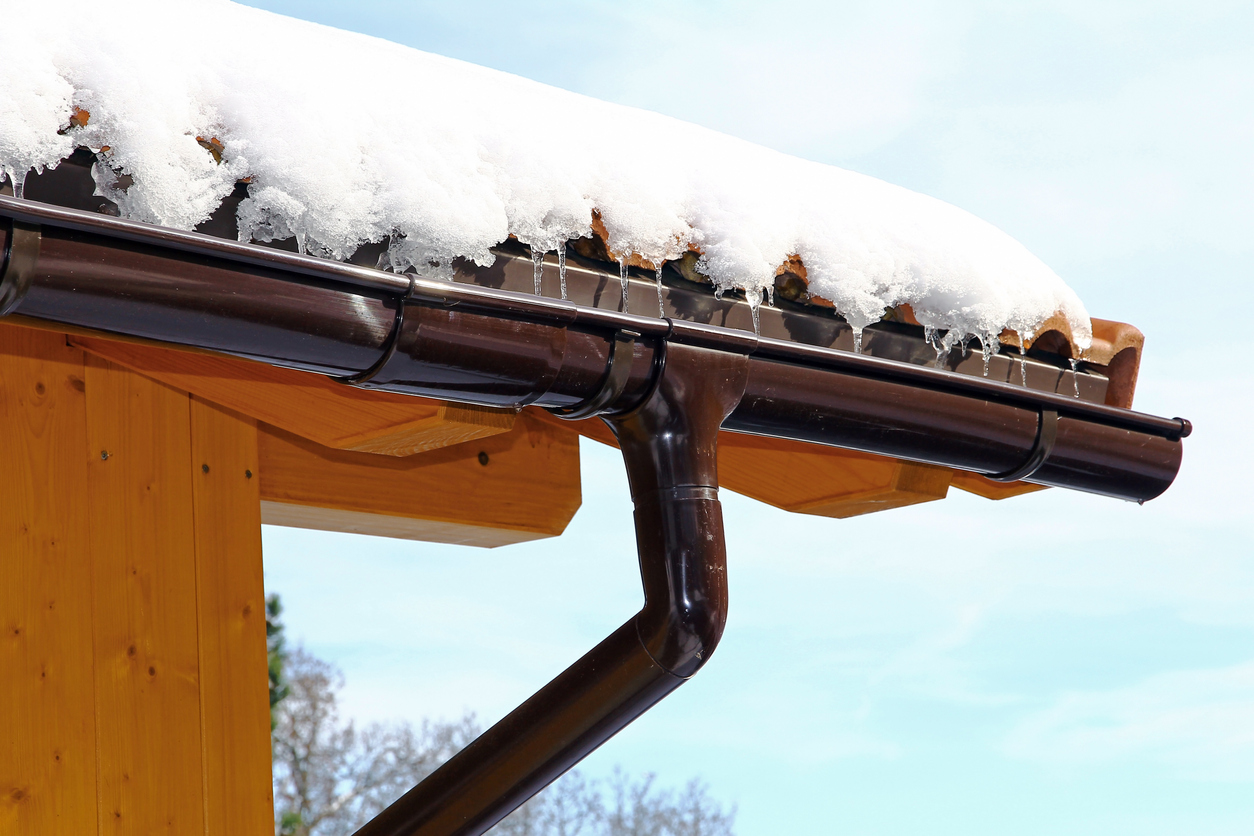
A properly functioning gutter system, consisting of eavestroughs and downspouts, is designed to manage large volumes of water efficiently. Eavestroughs run along the eaves of the roof, catching the runoff. Downspouts then carry this collected water vertically down to ground level, where it is channelled away via extensions or splash blocks. This controlled drainage prevents water from pooling at the roofline, seeping into the fascia and soffits, or saturating the ground around the foundation, which can lead to basement flooding and structural issues.
How Clogged Gutters Turn a Minor Thaw into a Major Threat
When gutters become clogged with debris, their ability to perform their vital drainage function is severely hampered. During a period of rapid snowmelt, such as that caused by Chinook winds, the meltwater has no efficient escape route. Instead of flowing freely through the downspouts, it begins to accumulate within the eavestroughs. This trapped water has several detrimental effects, turning a minor thaw into a significant threat to the entire roof system.
Common Culprits: Gutter Debris, Leaves, and Winter Build-up
The common culprits behind clogged gutters are varied and persistent. Throughout the fall, fallen leaves and pine needles accumulate, forming dense mats. In winter, this organic debris can become saturated with moisture and freeze, forming solid blocks of ice. Snowmelt can also freeze within the gutters, creating ice dams that prevent further drainage. This combination of organic matter and ice creates a heavy, obstructive mass that completely impedes water flow, setting the stage for damage.
The Destructive Synergy: How Chinooks Exacerbate Clogged Gutter Damage
The true danger to a Calgary homeowner’s roof arises not just from Chinooks alone, nor solely from clogged gutters, but from the destructive synergy that occurs when these two factors combine. The warm winds create the meltwater, and the clogged gutters ensure this water becomes a persistent problem.
Obstructed Water Flow: The Immediate Consequence of Clogs
When Chinooks trigger rapid snowmelt, the first and most immediate consequence of clogged gutters is obstructed water flow. Instead of exiting through the downspouts, meltwater backs up into the eavestroughs. This pooling water then begins to seek the path of least resistance, which is often over the back edge of the gutter and directly onto the fascia board and the roofline, just beneath the shingles.
Excessive Weight: Trapped Meltwater, Snow, and Ice Straining Gutters
Clogged gutters filled with water, slush, and ice become incredibly heavy. This significant weight can pull gutters away from their mountings, causing them to sag or detach completely from the fascia. The strain can also damage the fascia board itself, the wooden strip at the edge of the roof that gutters are attached to. This compromised structural integrity of the gutter system is a direct precursor to more serious roof damage.
Accelerated Freeze-Thaw Cycles: Damage to Gutters and Fascia
The constant presence of trapped water in clogged gutters, combined with the oscillating temperatures brought by Chinooks, leads to accelerated freeze-thaw cycles. Water seeps into any cracks or porous areas in the gutters and fascia. When temperatures drop again, this water freezes and expands, widening these cracks. As the Chinook returns and the ice melts, the cycle repeats, progressively weakening and degrading the gutter material and the underlying wood.
Overflow and Water Pooling: Beyond the Gutters to the Roofline and Foundation
As eavestroughs overflow due to blockages, water doesn’t just spill over the edge. It can pool around the base of the downspouts and seep into the ground, potentially saturating the soil around the foundation. More critically, overflow at the roofline can saturate the fascia and soffits, and water can then find its way under the shingles, directly onto the roof deck. This ingress point is a primary pathway for water to penetrate the building envelope.
Moisture Penetration: The Path to Water Damage and Structural Weakening
The continuous saturation of the fascia, soffits, and roof deck due to clogged gutters during Chinook melt events is a direct pathway to pervasive moisture penetration. This moisture can lead to wood rot, the deterioration of underlayment materials, and eventually, to significant roof leaks. The compromised areas become breeding grounds for mold and mildew, further weakening the structural integrity of the roof and potentially affecting the attic space and interior of the home.
Chinook-Induced Damage to Your Roof: Beyond the Obvious
While the immediate effects of water pooling from clogged gutters are concerning, the cumulative impact of Chinooks on the roof itself, amplified by poor drainage, can be extensive and insidious. This damage often extends far beyond what is initially visible.
Ice Dam Formation: The Prevalent Winter Roof Leak Culprit
One of the most notorious forms of roof damage, exacerbated by Chinooks and clogged gutters, is ice dam formation. Heat escaping from the home, particularly due to poor insulation or ventilation, warms the roof deck. This melts accumulated snow from the top down. This meltwater then flows to the colder eaves, where it refreezes, forming a dam of ice. Clogged gutters prevent this meltwater from draining away, allowing it to build up against the eaves, forming a more substantial and damaging ice dam.
Shingle Damage: Thermal Shock, Granule Loss, and Compromised Adhesion
The rapid temperature swings inherent in Chinook events subject roofing shingles to thermal shock. Materials expand and contract, which can lead to cracking or curling, especially in older or brittle shingles. Furthermore, the constant presence of moisture and the freeze-thaw cycles can dislodge the protective mineral granules embedded in asphalt shingles. This granule loss exposes the underlying asphalt to UV rays and moisture, accelerating shingle deterioration and compromising their ability to shed water effectively.
Flashing Integrity: Weak Points Exposed by Rapid Thaws and Refreezing
Flashing—the metal or rubber components installed around roof penetrations like vents, chimneys, and skylights—is designed to create a watertight seal. However, the dynamic forces of rapid melting, refreezing, and wind pressure during a Chinook can stress these seals. Water can be forced under compromised flashing, and repeated freeze-thaw cycles can widen any existing gaps or cause the flashing material itself to crack or become brittle, creating prime entry points for leaks.
Underlayment Vulnerability: Moisture Seepage into Deeper Layers
Beneath the shingles lies the roof’s underlayment, a protective barrier against moisture. While designed to be water-resistant, prolonged saturation from uncontrolled meltwater due to clogged gutters and ice dams can eventually overwhelm this layer. Moisture can seep through tears, seams, or worn sections of the underlayment, reaching the roof deck and the attic space, leading to rot and insulation damage.
Attic Ventilation and Insulation Problems: Contributing to Ice Dam Formation
Issues within the attic space significantly contribute to ice dam formation, which is then worsened by Chinooks and clogged gutters. Inadequate insulation allows heat from the living space below to escape into the attic and warm the roof deck. Poor attic ventilation fails to exhaust this warm, moist air, allowing it to condense on the cold underside of the roof sheathing. This creates a perpetual cycle of melting and refreezing that Chinooks accelerate, making the entire roof system more vulnerable.
Structural Weakening: Long-Term Consequences of Water Infiltration
Over time, persistent moisture infiltration caused by the combination of Chinooks, clogged gutters, and roof vulnerabilities can lead to significant structural weakening. Wood rot in the roof deck, rafters, and fascia can compromise the entire structural integrity of the roof. This can manifest as sagging sections of the roof, compromised support for heavy snow loads, and an increased risk of complete roof failure.
Recognizing the Signs: What to Look For After a Chinook Event
Following a period of intense Chinook activity, it’s essential for homeowners to conduct a thorough inspection of their property, looking for subtle indicators that can signal underlying damage. Early detection is key to preventing minor issues from escalating into major repair costs.
Visual Cues on Your Gutters: Sagging, Overflow, and Ice Build-up
Start with the gutters. Look for any signs of sagging, pulling away from the house, or detached sections. Observe if water is consistently overflowing the gutters, especially during or immediately after a thaw. Persistent ice build-up around the edges of the gutters, even when temperatures are above freezing, indicates a blockage within the system. Also, check the downspouts for any visible blockages or signs of detachment.
Indicators on Your Roof: Damaged Shingles, Stains, and Missing Granules
Visually inspect your roof from the ground or a safe vantage point. Look for cracked, curled, or missing shingles. Notice any dark stains on the shingles, which could indicate water saturation. Examine the roof surface for areas where protective granules appear to be missing, leaving the asphalt exposed. Pay close attention to areas around valleys, eaves, and penetrations where flashing might be compromised.
Interior Clues: Water Stains, Peeling Paint, and Mold Development in Ceilings and Walls
The interior of your home can provide critical clues. Check ceilings and walls, particularly in the attic space, along the top floors, and near roof penetrations, for water stains, discolouration, or peeling paint. These are often the first signs that water has penetrated the roof and underlayment. In more severe cases, you might notice the development of mold or mildew, which indicates a persistent moisture problem that requires immediate attention.
Proactive Prevention: Safeguarding Your Calgary Home Year-Round
Protecting your Calgary home from the damaging effects of Chinooks and clogged gutters requires a proactive approach. Implementing a regular maintenance schedule and considering advanced solutions can significantly reduce the risk of costly repairs.
Essential Gutter Maintenance: Regular Cleaning and Inspection
The most fundamental step is to ensure your gutters are kept clean and in good working order. Schedule professional gutter cleaning at least twice a year, ideally in late spring after the last major melt and in late fall after leaves have fallen. During these cleanings, also inspect the gutters for any signs of damage, sagging, or loose fasteners. Ensure downspouts are clear and directing water away from the foundation.
Advanced Gutter Solutions: The Benefits of Gutter Guards
For added protection, consider installing high-quality gutter guards. These systems are designed to prevent debris from entering the gutters while allowing water to flow freely. While not a substitute for periodic maintenance, they can significantly reduce the frequency and severity of clogs, especially in areas prone to heavy leaf fall or pine needles, common in Calgary.
Professional Roof Inspections: Detecting Issues Before They Escalate
Schedule professional roof inspections annually, and especially after significant weather events like major Chinooks. A qualified roofing contractor can identify subtle signs of damage, such as compromised flashing, early-stage shingle wear, or issues with the underlayment that a homeowner might miss. Early detection allows for targeted repairs before minor problems escalate into widespread leaks or structural issues.
Optimizing Attic Ventilation and Insulation for Winter Performance
Addressing attic insulation and ventilation is crucial for preventing ice dam formation. Ensure your attic is adequately insulated to prevent heat loss from your living space. Proper ventilation allows for the continuous circulation of fresh, cool air, which helps maintain a consistent roof temperature and reduces the likelihood of snowmelt occurring on the roof deck during Chinooks.
Investing in Quality Roofing Materials and Professional Installation
When it’s time to replace your roof, invest in high-quality roofing materials suitable for Calgary’s climate. More importantly, ensure professional installation by a reputable roofing contractor. Proper installation is paramount; even the best materials will fail prematurely if not installed correctly.
Landscape Management: Directing Water Away from Your Foundation
Ensure your landscaping slopes away from your home’s foundation. This simple but effective measure helps direct any overflow from downspouts or ground-level water away from the house, reducing the risk of basement flooding and foundation damage that can indirectly affect the roof structure over time.
When to Call the Experts: Professional Roofers & Gutter Specialists
While proactive maintenance can prevent many issues, some problems require the expertise of professionals. Knowing when to call a roofing contractor or gutter specialist can save you time, money, and significant stress.
The Value of a Certified Roofing Contractor for Chinook Damage Assessment
After a severe Chinook event, especially if you notice any of the warning signs mentioned, it’s wise to call a certified roofing contractor. They have the experience and tools to conduct a comprehensive assessment of your roof’s integrity, identify hidden damage, and recommend the most effective repair strategies for Calgary’s unique climate challenges.
Expert Roof Repair and Gutter System Restoration
A qualified roofing contractor can perform necessary roof repairs, from replacing damaged shingles and sealing compromised flashing to addressing more extensive issues like underlayment damage or structural concerns. Similarly, gutter specialists can repair or replace damaged sections of your gutter system, ensuring optimal water flow and preventing future problems.
Understanding Your Warranty and Navigating Insurance Claims
If your roof or gutters have sustained significant damage, it’s essential to understand your home insurance policy and any existing warranties on your roofing materials or installation. A reputable roofing contractor can often assist homeowners in documenting damage for insurance claims, ensuring you receive the coverage you’re entitled to.
Emergency Services: Rapid Response for Urgent Water Damage
In cases of significant roof leaks or water intrusion following a Chinook event, prompt action is critical. Many reputable roofing contractors offer emergency services to address urgent water damage, preventing further deterioration and mitigating potential mold growth and structural problems.
The Importance of Local Expertise: Roofing in Calgary and its Climate
When selecting a roofing contractor or gutter specialist in Calgary, prioritize those with proven experience in the local climate. They will be familiar with the specific challenges posed by Chinooks, snow loads, and freeze-thaw cycles, and can recommend materials and techniques best suited for long-term performance in Alberta.
Conclusion: Protect Your Investment from Calgary’s Unique Weather
Calgary’s Chinooks, while offering a welcome break from winter’s chill, present a complex threat to homeowners. The rapid temperature shifts and strong winds, when combined with the often-overlooked problem of clogged gutters, create a potent recipe for roof damage, leading to ice dams, compromised shingles, compromised flashing, and potential structural weakening.
Understanding the destructive synergy between these elements is the first step toward safeguarding your home. Regular gutter cleaning and inspection are not merely aesthetic chores; they are essential maintenance that protects your roof’s drainage system and prevents water from infiltrating your home. Coupled with professional roof inspections, proper attic insulation and ventilation, and timely repairs, these proactive measures are an investment that pays dividends by preventing costly damage and extending the lifespan of your roof and your home. Don’t let the deceptive warmth of a Chinook catch you unprepared. Vigilance and consistent maintenance are your best defense against the hidden dangers of Calgary’s unique winter climate.